Why Won't My Paint Stick? Top Reasons for Peeling Paint in Florida Homes
Peeling paint can turn your dream home into a nightmare fast. In Florida, where humidity clings to everything like a second skin, this problem hits hard. You spend good money on a fresh coat, only to watch it bubble and flake away in months, leaving ugly patches and repair bills.
This issue costs homeowners thousands each year in fixes and repaints. The main reasons boil down to poor surface prep, moisture sneaking in, and picking the wrong paint products for our steamy climate. We'll break it down step by step so you can spot these traps and avoid them.
Section 1: The Critical Role of Surface Preparation
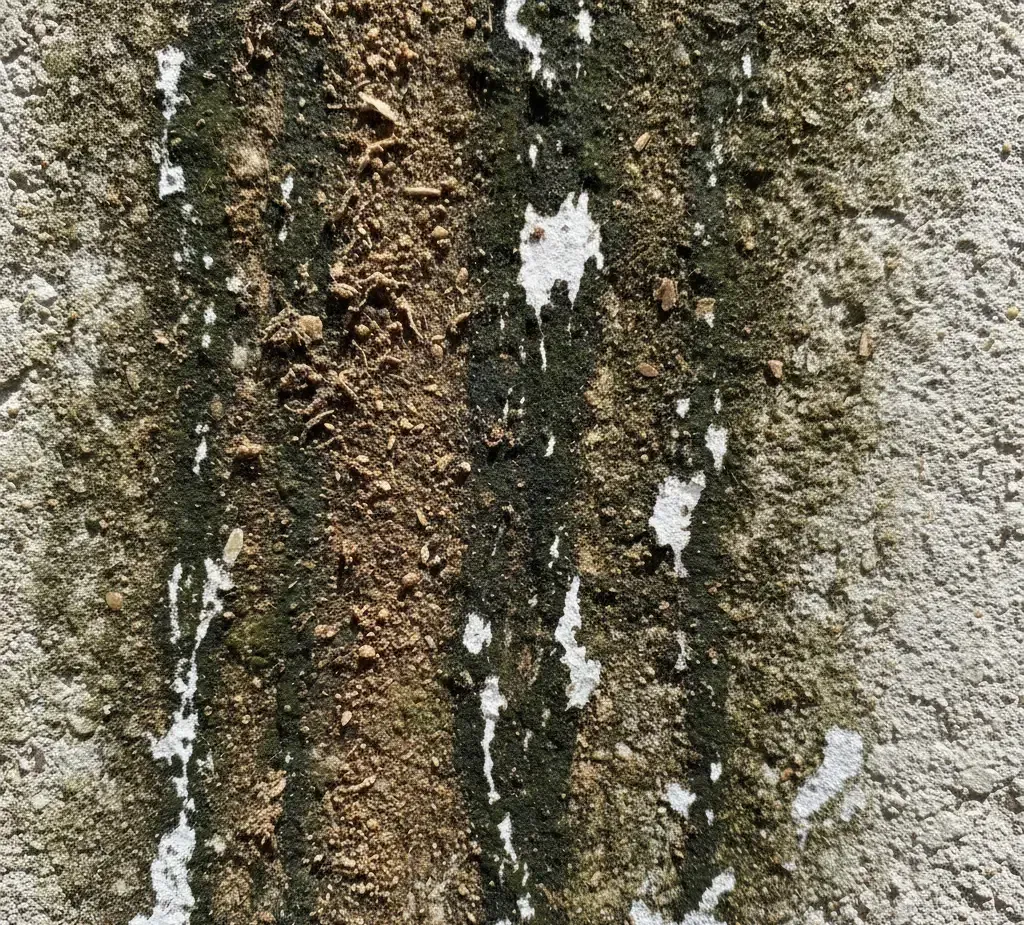
Most paint jobs fail because folks skip the prep work. In humid spots like Florida, this step matters even more. Experts say nine out of ten adhesion problems start here, especially for DIY types who rush the job.
Good prep creates a strong bond between your wall and the paint. Without it, the new layer just sits there, waiting to peel off.
1.1 Failure to Clean: The Invisible Barrier
Dirt and grime build up quick in Florida's salty air and frequent rains. Salt from ocean spray sticks to siding. Mildew thrives in the damp, turning walls green and slimy. Chalking paint from old jobs leaves a powdery film. Efflorescence on concrete pulls salts to the surface, forming white crusts.
These layers block paint from gripping the wall. You end up with blisters and flakes soon after.
To fix this, scrub hard with trisodium phosphate, or TSP, mixed in water. For mildew, grab a cleaner with bleach or special fungicides. Rinse well, then let it dry fully. This removes the junk so paint can stick tight.
1.2 Improper Scraping and Sanding Techniques
Just wiping down won't cut it on old or glossy paint. You need to scrape off every loose flake. Go down to firm material that won't budge.
In coastal areas, wood siding soaks up moisture and warps. Stucco needs lighter sanding to avoid damaging the rough texture. Heavy grit paper works on wood, but fine on stucco.
Poor sanding leaves weak spots. Paint lifts easy in the next storm. Take your time; a stable base lasts years.
1.3 Neglecting Priming or Choosing the Wrong Primer
Primer acts like glue for your paint. It seals the surface and helps topcoats grab hold. Skip it, and your paint has no chance in humid air.
Florida walls face water stains from storms. Use stain-blocking primers to stop tannins from bleeding through. Bonding primers work on slick or chalky spots.
Check labels from brands like Zinsser or Sherwin-Williams. They spell out use for damp drywall after floods. Right primer means less peeling down the road.
Section 2: Moisture Intrusion – Florida’s Primary Adversary
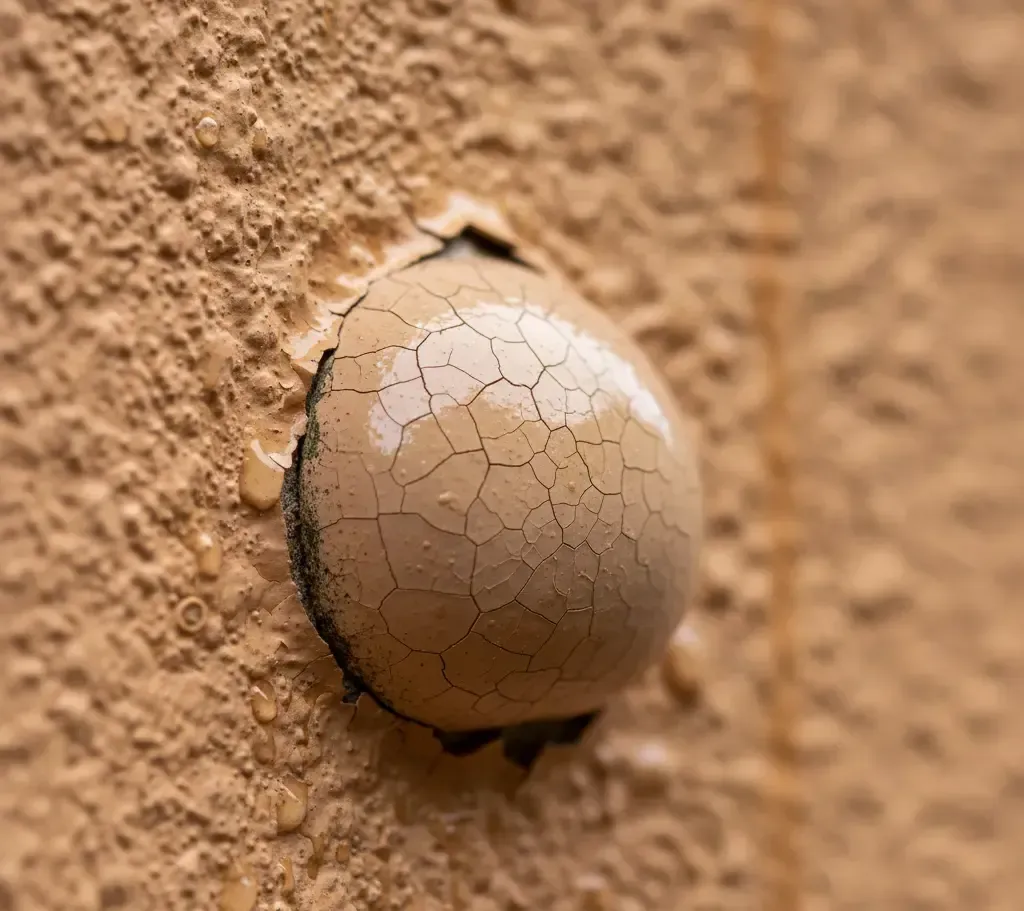
Water is the top enemy of paint in the Sunshine State. It sneaks in and wrecks adhesion from inside out. Drier places don't see this level of damage.
Trapped moisture makes paint films weak. They blister, then peel in sheets. This beats out all other causes here.
2.1 Substrate Wetness and High Relative Humidity
Paint sets through a chemical cure, not just air drying. Damp walls or air over 85% humidity slow this down. Solvents stay trapped, causing soft spots.
Test with a moisture meter before you start. Readings over 15% on wood mean wait longer. For interiors, keep rooms at 40-60% humidity with dehumidifiers.
This simple check saves headaches. Dry surfaces lead to solid jobs that hold up.
2.2 External Penetration: Stucco and Concrete Issues
Stucco and concrete suck up rain like sponges. Water builds pressure inside, pushing vapor out. This lifts paint in bubbles that pop and peel.
In block homes, common in Florida, vapor flows from ground up. Poor drainage worsens it after heavy rains.
One example: homes near Tampa Bay show peeling on south walls from constant sun and wet cycles. Seal cracks and use breathable paints to let vapor escape without damage.
2.3 Internal Moisture Sources Leading to Interior Peeling
Inside, steam from showers builds up in bathrooms. Laundry rooms trap heat and wet air. Leaky pipes drip slow, soaking drywall over time.
HVAC units condense water that runs down walls. Poor vents let mold grow behind paint.
Fix vents first. Use exhaust fans that run 20 minutes post-shower. Check for leaks yearly. Dry interiors mean paint stays put.
Unsure About Your Surface Prep?
Moisture and mildew can be tricky to diagnose. Let our experts identify the root cause of your peeling paint and recommend the correct, long-lasting solution.
Section 3: Product Mismatch and Application Errors
Wrong paint or bad timing ruins even good prep. Florida's sun and heat demand tough products. Mismatches lead to quick failures.
Quality matters for UV rays and mold. Apply right, or watch it fail.
3.1 Using Low-Quality or Interior Paint Outdoors
Interior paints lack strong binders and pigments for sun. They fade and chalk fast outside. No mildewcides mean fungus takes over in damp spots.
Exterior types have acrylics that flex with heat. They resist cracks from Florida's swings.
Spend on brands like Behr or Benjamin Moore for exteriors. Cheap stuff peels in a season. Good paint with UV blockers lasts five years or more.
3.2 Painting in Extreme Temperatures (Too Hot or Too Cold)
Heat over 90°F makes paint skin over fast. Solvents lock under the surface, no bond forms. This "hot lapping" causes peels in weeks.
Cold below 50°F slows cure, leading to soft films.
Read the can: apply between 50-85°F. Paint early morning or late day. Shade walls from direct sun. This keeps the job even and strong.
3.3 Inadequate Dry Times Between Coats
Rushing coats in humid air traps wet layers. Solvents don't escape, so films lift later.
Wait the full time, even if touch-dry. High humidity adds hours.
In Florida summers, that means 24 hours between coats. Fans help air flow. Patience pays off with layers that stick.
Suspect a Hidden Moisture Problem?
Don't let trapped water ruin your walls and your paint job. We can pinpoint the source of the moisture—whether it's from outside penetration or internal leaks—and fix it for good.
Section 4: Substrate-Specific Challenges in Florida Construction
Homes here use special materials for the weather. Each type needs care for paint to hold. Ignore this, and peeling follows.
Stucco, metal, and old finishes pose unique risks.
4.1 Peeling Paint on Aged Aluminum Siding
Old aluminum chalks from sun, leaving dusty residue. It slicks up, so new paint slides off.
Clean with vinegar solution to cut grease. Use metal bonding primers like Rust-Oleum.
Sand lightly for tooth. This grips the surface. Coastal homes see less failure with these steps.
4.2 Issues with Previously Painted Oil-Based Finishes
Oil paints from the '80s harden over time. Latex won't stick without help.
Sand to dull the shine. Or use oil-over-latex primers.
Many older Florida ranches have this setup. Wrong approach leads to topcoats peeling in rain.
4.3 Stucco and Masonry Substrates: Efflorescence and Outgassing
Efflorescence pulls salts out as white powder. Paint over it fails quick.
Neutralize with muriatic acid, diluted and rinsed. Let cure weeks.
Outgassing from new stucco releases air bubbles under paint. Prime with block primers. These stop the push that causes blisters.
Achieving Long-Term Paint Adhesion in a Tropical Climate
Prep and moisture control make up 75% of a good paint job in Florida. Pick the right products, but don't skip the basics.
Use high-quality coatings made for humidity. Follow dry times and temp rules.
If peeling keeps coming back, call a pro for checks. Hidden water problems might lurk in your walls. Fix them now for a home that stays fresh longer.
Tired of Endless Peeling Paint?
You've read the guide. Now get the solution. We specialize in lasting paint jobs for Florida homes, tackling the unique humidity, salt, and sun that cause peeling.